Lab Created Diamonds Explained: Benefits and Buying Guide

Lab Created Diamonds Explained
Real diamonds made by people in labs look just like those dug up from the ground. Because of their structure, they shine bright, resist scratches, and take polish well – exactly like traditional stones. Though formed differently, their makeup stays identical down to every atom. One way starts underground with heat and time, another uses machines that copy nature’s recipe. Grown fast inside chambers instead of rock, these gems match what Earth builds over ages. Production method separates them, nothing else. Because they’re made in controlled settings, these stones usually have less unwanted material inside. Some people choose them instead of earth-mined ones, partly due to worries about unethical sourcing practices linked to digging up gems the old way.
Lab Created Diamonds Explained
There are several reasons people choose lab created diamonds over mined ones.
- Fair origins matter most when materials come from safe regions. Workers earn fair pay without pressure to perform under threat. Mines stay far from war areas by design rather than chance. Safety follows every step, not just claimed but seen. Respect shapes each stage instead of profit alone driving moves
- Environmental impact: Less ecological disruption compared to mining
- Spending less is common – lab gems often cost 20 to 40 percent below natural ones with matching traits
- A steady hand keeps things clear. Color stays true when checked often. Predictable results come from close attention. Clarity shifts less when watched closely. Careful steps make sure nothing drifts out of place
A single carat lab diamond might run you three thousand dollars, whereas a similar natural one sits near four thousand five hundred. Because of that difference, putting funds toward size becomes possible – or choosing better craftsmanship instead.
Types Explained Simply
A type of blood diamonds in a lab shows up mostly one way. Another form pops into existence through different methods
- A deep earth-like environment gets built inside a lab for HPHT. Diamonds grow there just like they do underground. Big gems come out more easily this way. Color shifts happen too when old stones go through the process. Heat plus heavy pressure makes the changes stick.
- A single crystal builds slowly when gas fills a chamber, its structure shaped by temperature and pressure. Layer after layer forms under careful tuning, each one locking into place without rushing. One type of carbon source feeds the process, supplying raw material bit by bit. Purity shifts depending on what gets added during growth, color adjusting like paint mixed mid-air. Tiny gems benefit most, especially those meant to twist light through complex cuts.
A clearer picture comes from knowing what kind exists – it shapes how smart your choice feels. When buying, look for a document from the seller showing exactly how it was made and what traits the stone holds.
Evaluating Lab Created Diamonds
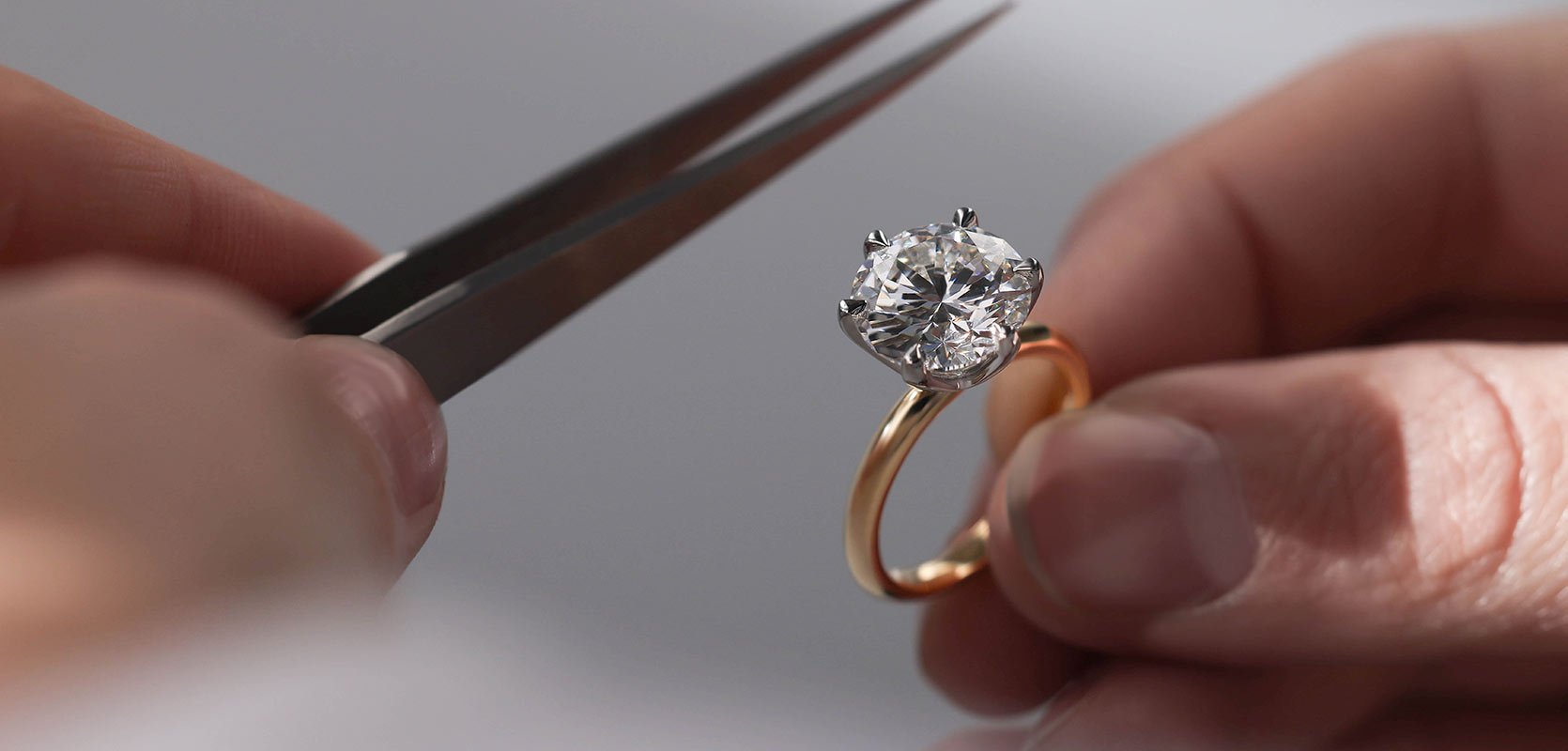
Start by thinking about how light dances through a lab grown stone – it matches natural ones closely. Look at cut, clarity, color – then carat weight matters too. One feature might catch your eye first, still each plays a role. Size could impress you most, yet flaws hide in plain sight sometimes. A good sparkle often comes down to craftsmanship more than origin ever does
- Carat: The weight of the diamond
- Light bounces off depending on its shape. The form decides how bright it looks. A smooth curve might shine more than a flat edge. Shape guides where the glow lands. Every angle changes what you see
- Transparency: The level of clarity or lack of hue in the gem
- Clarity: How free it is from internal flaws or inclusions
A tiny bit smaller, like 0.75 carats, can shine brighter when the cut is sharp and the insides are clean. Though it weighs less, its sparkle often beats a full carat if that one’s poorly made. Flaws hide light. A well-cut stone lets it dance. Size isn’t everything – how it’s shaped matters just as much.
Lab Created Diamonds and Your Budget
Laboratory grown stones open up new possibilities for everyday luxury. With prices lower than earth-mined gems, bigger sizes come within reach – sometimes even with better purity – while still staying on track financially. Think of it like choosing quality over origin when picking something meant to last
- Figure out the most you’re willing to spend
- Start by picking what counts. Choose the priorities closest to your needs first. Focus on these before anything else comes into play
- Compare lab created and mined options side by side
Getting top value doesn’t mean you must sacrifice how it looks or how well it’s made.
Buying Tips
When purchasing lab created diamonds, consider these tips:
- Start by checking the certificate. A report from GIA helps give clarity. Another option is IGI – both show key details. Trusted labs back their findings. Skip stones without one of these. Reliable results often come from such sources
- Check return and warranty policies
- Curious how it started? Find out what sparked its rise. Where did things begin? Look into the roots behind it all
- Compare prices across multiple retailers
One diamond might seem just like another at first glance – yet tiny details can set them apart. What makes the real difference is knowing what lies beneath the surface. A proper report clears up any guesswork about quality. Hidden traits, like tint or internal marks, become clear through expert review. Trust comes from transparency, nothing more. Without verification, even similar stones aren’t truly equal.
Practical Uses
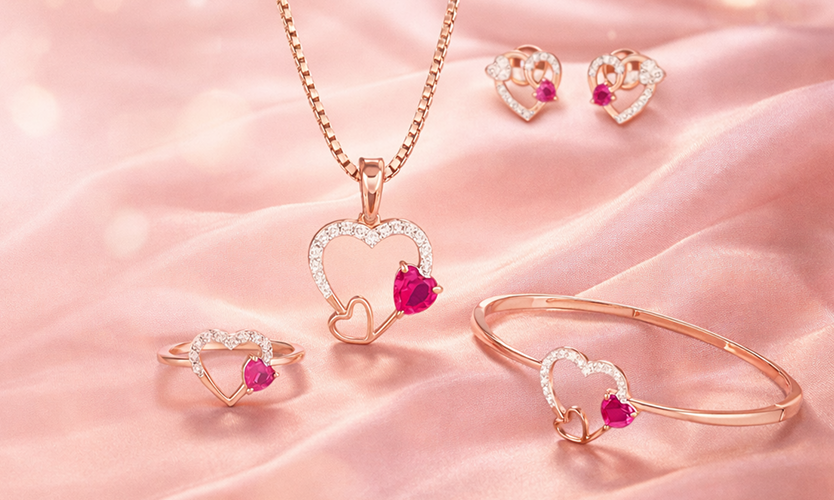
Fashioned in labs, these stones appear beyond just wedding bands. Think earrings, necklaces too – often found in bracelets or even pendants. Some wear them as daily accessories, others choose pieces for special moments. Not limited by tradition, they shift into various styles easily. Created with precision, their sparkle fits more than one kind of jewelry
- Necklaces, along with earrings, belong to daily wear accessories
- Industrial applications such as cutting and drilling tools
- Besides buying for keeps, some pick these knowing they might not sell later for what mined stones do
What they can do fits just about anything, whether it’s clothes or machines. Not limited by one job, these things shift easily between uses you might not expect.
FAQ
Are lab created diamonds real?
Fine. Man made stones match natural ones in chemical makeup, structure, and how they reflect light.
Lab grown diamonds – how well do they keep their worth over time?
Luckily, they hold worth over time – just not quite as much as mined stones because supply runs higher. What sets them apart? A smaller price tag paired with cleaner origins.
Is it possible to spot the difference between a diamond made in a lab and one formed underground?
Finding the difference takes more than just a glance. Only someone skilled in gems spots it, thanks to precise instruments.